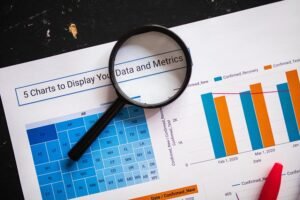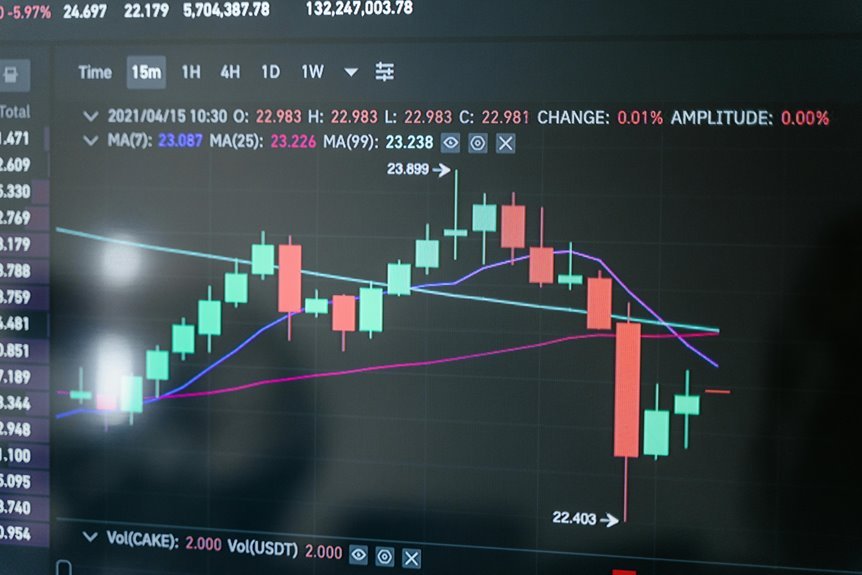
The Industry Trends & Enterprise Analytics Bulletin provides an analytical overview of how data-driven decision-making is reshaping business strategies across various sectors. It highlights the significance of predictive modeling and real-time analytics in enhancing operational efficiency. As organizations navigate shifting market dynamics, understanding the impact of these trends is crucial for maintaining a competitive edge. This discussion will explore the implications of emerging technologies and the ongoing necessity for data literacy in strategic execution.
Emerging Trends in Data-Driven Decision Making
As organizations increasingly recognize the value of data, emerging trends in data-driven decision making are reshaping business strategies across industries.
Predictive modeling allows companies to anticipate future trends and behaviors, enhancing strategic planning.
Concurrently, data visualization tools enable clearer interpretation of complex data sets, facilitating informed decisions.
Together, these trends empower organizations to harness data effectively, fostering innovation and operational efficiency.
Innovations in Enterprise Analytics Technologies
The evolution of data-driven decision making paves the way for significant advancements in enterprise analytics technologies.
Innovations such as cloud computing enable scalable solutions, while predictive modeling and machine learning enhance accuracy in forecasts.
Real-time analytics and data visualization facilitate immediate insights, supporting agile strategies.
Furthermore, robust data governance and AI integration empower organizations to manage big data effectively, ensuring informed decisions.
Impact of Industry Trends on Business Growth
While organizations navigate the complexities of a rapidly evolving marketplace, the impact of industry trends on business growth becomes increasingly evident.
Trends influence business scalability by enabling firms to adapt resources effectively, enhancing operational efficiency. Additionally, they refine market positioning, allowing companies to align offerings with consumer demands.
Ultimately, recognizing and responding to these trends is crucial for sustained growth and competitive advantage.
Strategies for Adapting to Market Changes
How can organizations effectively navigate the constant shifts in market dynamics?
To achieve market agility, businesses must closely monitor consumer behavior and adapt strategies accordingly. Emphasizing flexibility in operations and fostering a culture of innovation allows firms to respond swiftly to changes.
Leveraging data analytics can also enhance decision-making, ensuring that organizations remain aligned with evolving market demands and consumer preferences.
Conclusion
In conclusion, as organizations navigate the shifting tides of the market, the ability to harness data-driven insights becomes akin to steering a ship through turbulent waters. The advancements in predictive modeling and real-time analytics not only illuminate the path ahead but also empower businesses to pivot with agility. To thrive in this ever-evolving landscape, a steadfast commitment to data literacy and innovation will serve as the lighthouse guiding enterprises toward sustainable growth and competitive advantage.